Mentivox Launches
Mentivox launches May 2026: a proactive AI companion that checks in on you.
May 2026 – 9 min read – As told to the Mentivox editorial team
Mentivox launches in May 2026 and is currently operating an early access programme. It was built by people who have lived the problem they are trying to solve. That proximity is not coincidental. It is the reason the product exists and the reason it is built the way it is.
What the MVP does
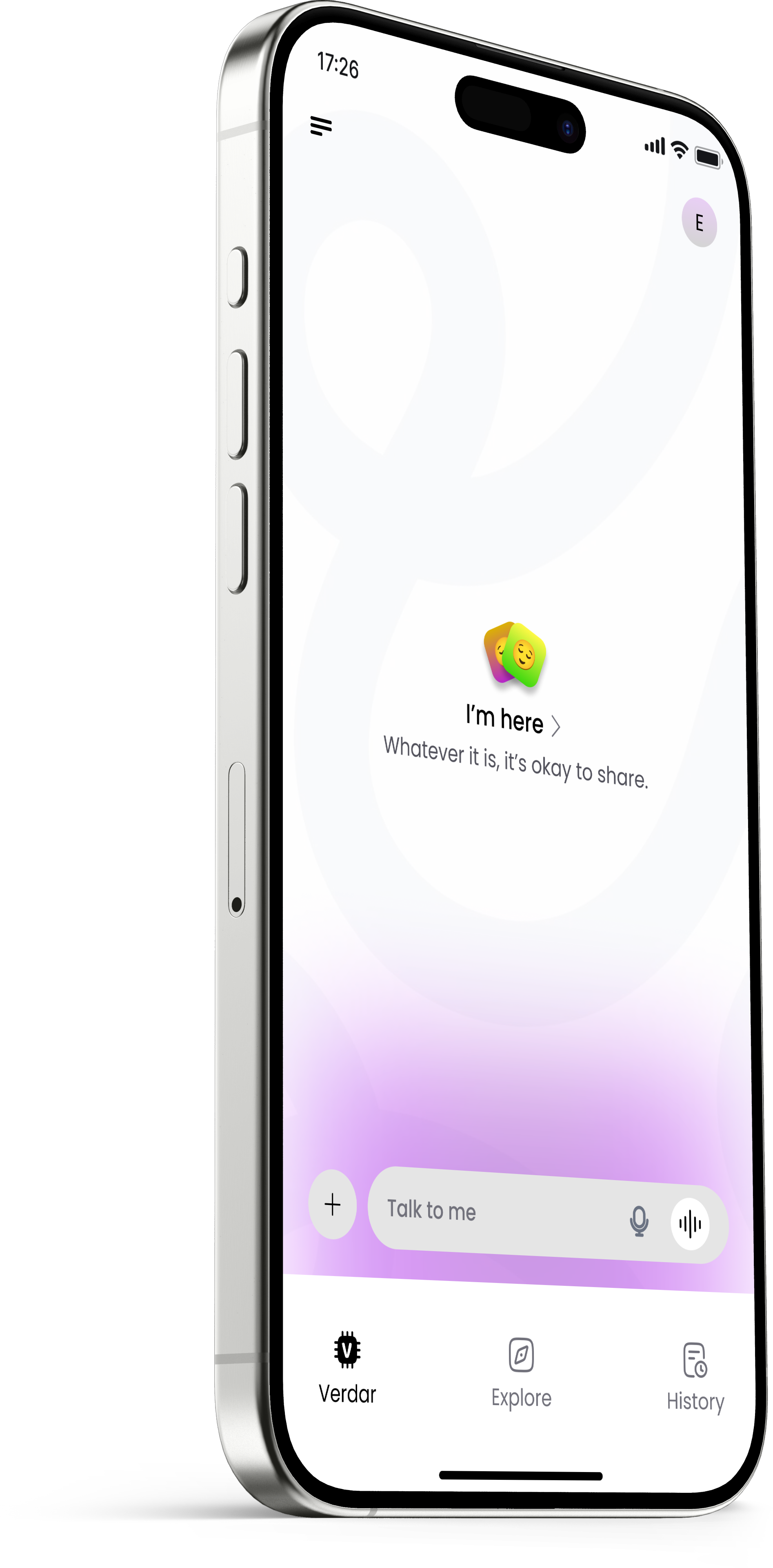
When a user sets up Mentivox for the first time, they choose the frequency and approximate timing for their check-ins. From that point, Mentivox reaches out to them. Not with a generic reminder to open the app, but with a message that draws on what the user has previously shared.
The conversation memory layer works in parallel. Every session a user has with Mentivox is stored in a structured way that shapes every subsequent interaction. Users do not have to re-explain themselves. The product picks up roughly where things were left.
Who is it for?
The MVP is designed for young adults in the UK aged 18 to 40 who are navigating loneliness, emotional stress, or the specific pressures of modern life. The loneliness epidemic does not discriminate by passport, and neither does Mentivox.
It also includes international students, young professionals, and members of diaspora communities managing the emotional complexity of living between two cultural worlds. What these groups share is the absence of consistent, judgment-free support that understands their context.
What comes next?
Through the early access programme and into the May 2026 launch, the team will listen closely to how users engage with the product, what they value, what feels missing, and where the product succeeds or falls short of its promise.
The V2 roadmap includes passive mood tracking, crisis detection and escalation, expanded language support, a therapist referral directory, and future voice and video interaction for broader accessibility.
Future horizons
Future iterations will consider additional user segments, particularly older adults who may experience heightened loneliness but face barriers related to technology adoption.
To address this, the product strategy will explore simplified interfaces alongside voice and video-based interaction capabilities aimed at improving usability and engagement.